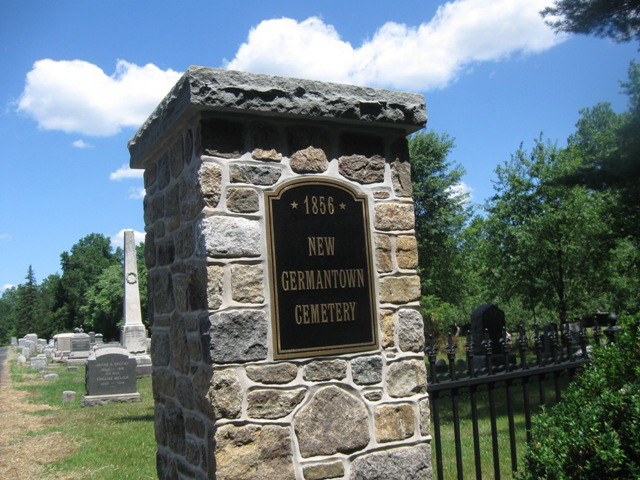
A child born in Oldwick in 1927 entered a village whose name was younger than his parents. Only nine years earlier, the same place had been New Germantown.
Don Melick belonged to a family whose ancestors had lived in and around that community since colonial times. The changing name of the village is one of the clearest ways to glimpse the historical worlds they inhabited.
First came Smithfield
The settlement's earlier colonial name was Smithfield, connected with Ralph Smith, a prominent landholder in the locality. As the region drew German-speaking settlers in the eighteenth century, the community developed into the village known as New Germantown.
Of course, the land and its history did not begin with either name. The region was part of Lenape homelands before European settlement, and the establishment of colonial farms and towns took place within a longer history of dispossession. The story of a European village name cannot be the whole history of the place.
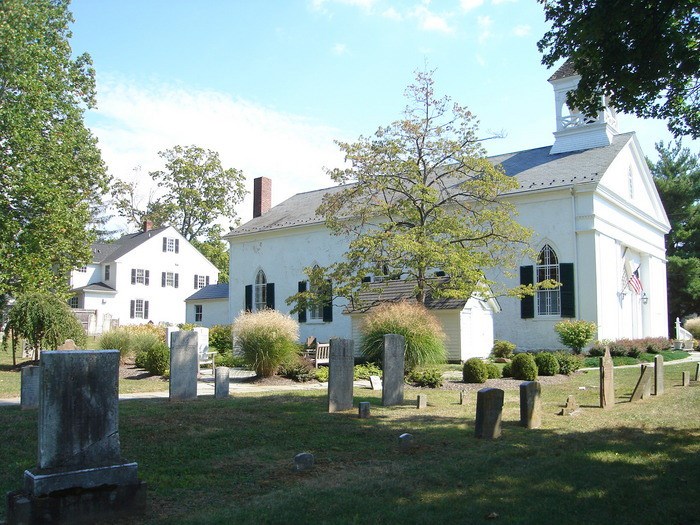
In time New Germantown became a recognizable center of farms, religious congregations, mills, shops and roads. The Melick family was part of that development. Tunis Melick operated a mill nearby; successive generations lived and worked in the surrounding country. Zion Lutheran Church and its burial ground tied families to the same community across decades.
Then the war changed the mood
In 1917 the United States entered the First World War against Germany. Across the country, German language and cultural symbols attracted hostility. Schools altered language instruction; families and businesses sometimes downplayed German associations. In 1918, amid that anti-German atmosphere, New Germantown changed its name to Oldwick.
Hunterdon County's historical tour materials explain the word as “old village”: a name intended to mark the settlement's age while replacing its overtly German identity. A detailed account of New Jersey post-office history records that the post office first used Oldwick on October 3, 1918.
The village did not move. The farms did not disappear. Church and family records continued to tell the stories of the people who lived there. But the name on a letter now reflected an America negotiating the tension between ancestry and national belonging.
A family living through different names
Consider the generations of one family. Tunis Melick knew colonial New Jersey. His grandson John Vliet grew up in the early republic. John Vroom and Walter lived in New Germantown as the agricultural economy developed. Don's father James had been born under the old village name and raised his children under the new one.
For Don, Oldwick was simply the name of the place where he grew up. But his family's history crossed all these periods. It is a reminder that communities do not stand still, even when their buildings and landscapes seem familiar.
The words on maps, road signs and envelopes changed, but families kept returning to familiar roads, churches and farms. Oldwick was the name Don knew. New Germantown was the name his father James had inherited. And deeper still lay a place that the earliest Melicks had helped shape.
Sources & historic maps
Old place names survive in county records, maps, community histories and the stonework of the village itself.
- Hunterdon County, “300th Walking Tour: Oldwick” (2026). County historical interpretation of the three village names and the 1918 change.
- Hunterdon County 300th Committee, Oldwick walking tour background (2019). Historical significance of the village and wartime name change.
- New Jersey Postal History Society, “Hunterdon County Active Post Offices”, p. 173. Date of the first Oldwick postmark usage.
- F. W. Beers, Milford [Village]; New Germantown [Village], Hunterdon County atlas, 1873. New York Public Library, public domain.
- Photographs of New Germantown Cemetery gateway and Zion Lutheran Church, Melick family archive.