Our Family · Zach's family · Melick · Kennedy · Ritter · Kovish
The stories that led to this side of our family.
Four grandparents, and countless lives before them. Their stories move through farms, factories, kitchen tables and unfamiliar places—and through the joys and difficulties of ordinary days.
Begin with the people we knew, then follow the paths that brought them here.
Meet the four grandparents ↓Zach's family · Four grandparents, four ways into the story
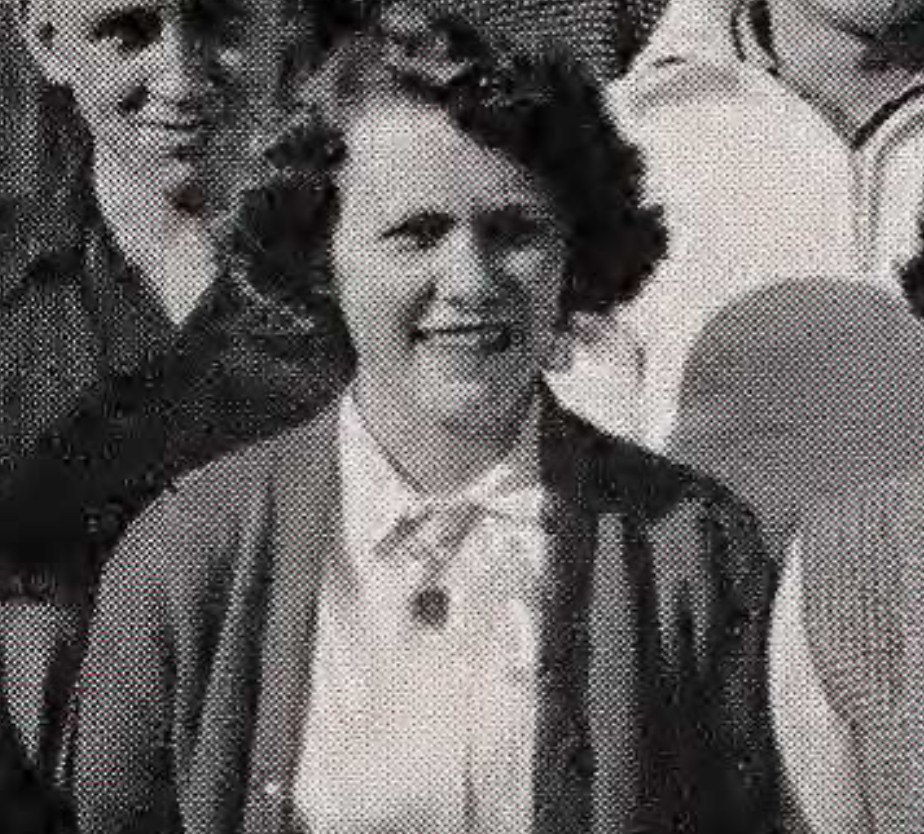
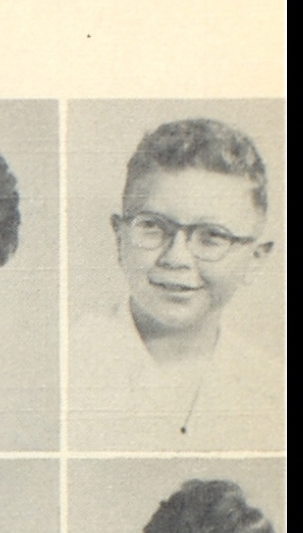
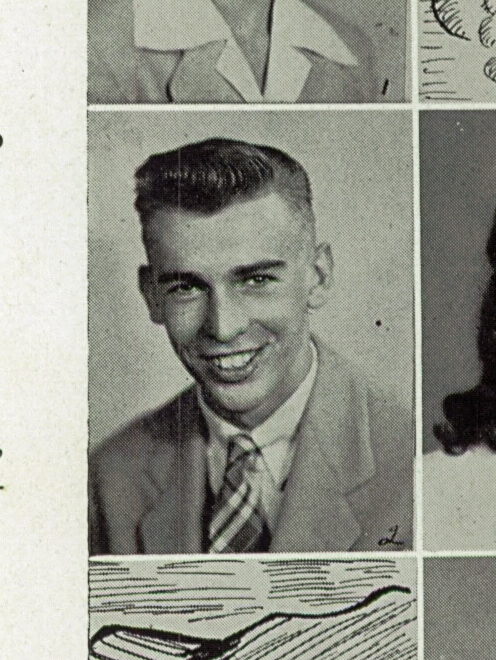
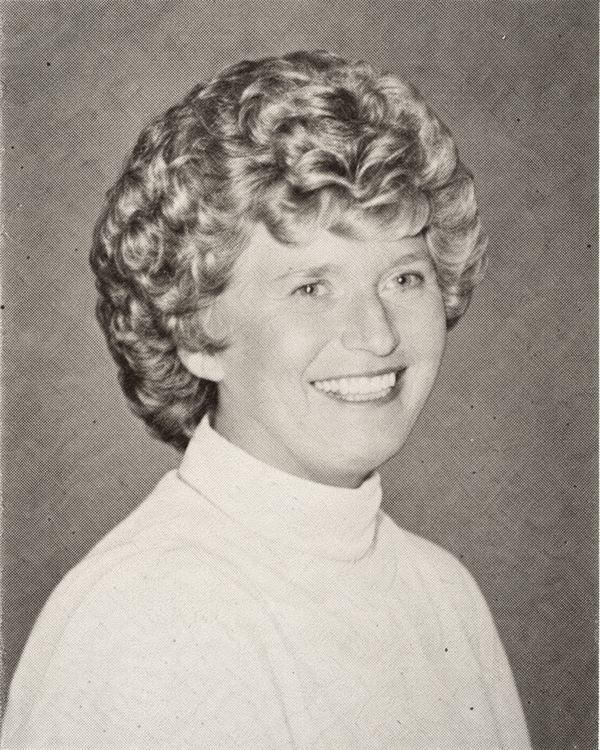
We begin with the people some of us knew. Each of their stories reaches backward through parents, grandparents, places, and generations.
Zach’s family archive · Where these branches began
There was no single beginning.
Some branches of this family were in Pennsylvania and New Jersey long before the United States existed. Their paths reach toward the Rhine, the Palatinate, Württemberg, and older Dutch- and English-speaking settlements. The land on which colonial families built their lives was already home to Indigenous people, including the Lenape. That history belongs in the account, too.
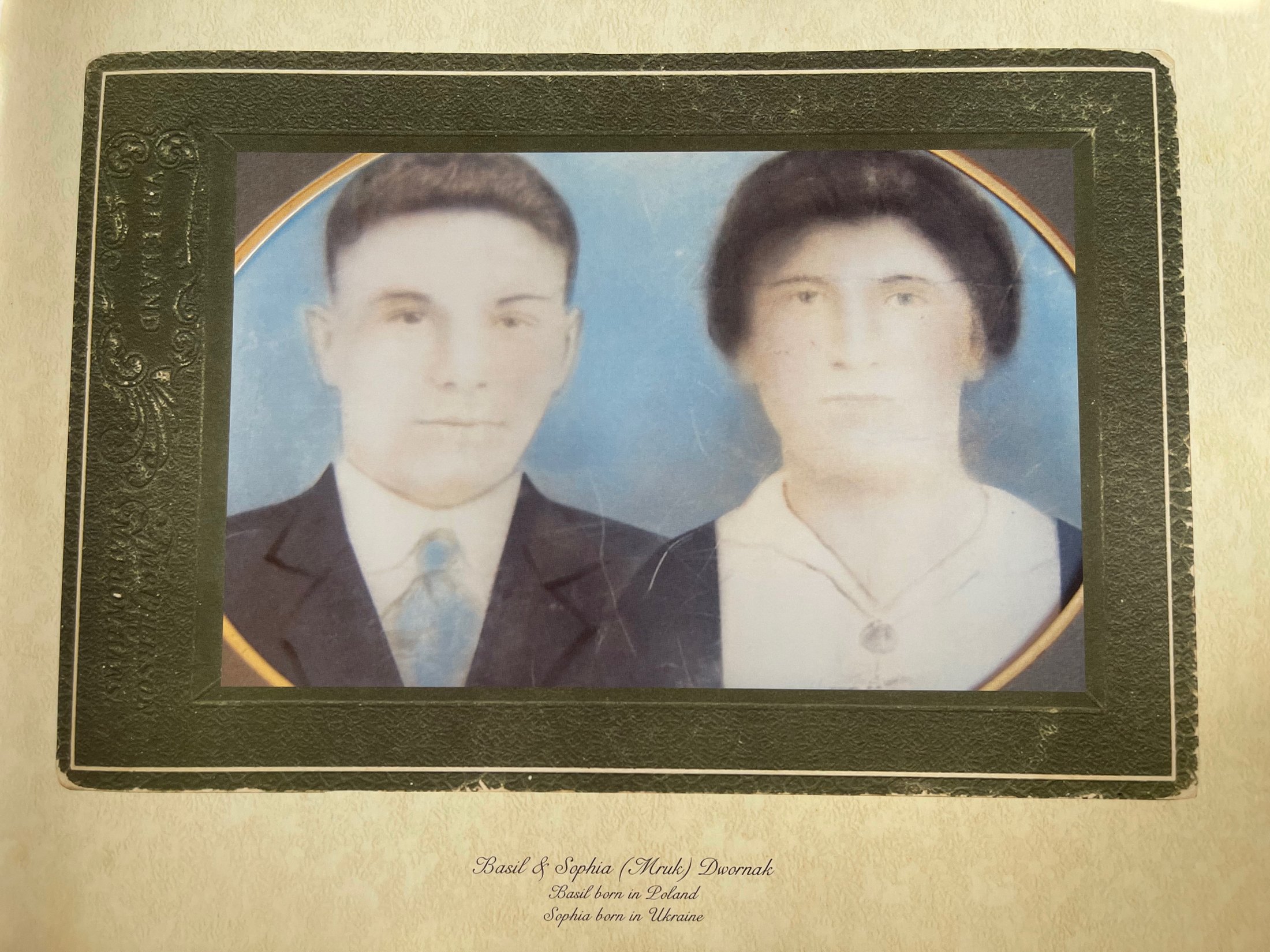
Other branches arrived generations later, from villages in eastern Slovakia and Galicia, in a world where languages and borders did not always agree. They followed relatives, found work, learned unfamiliar places, and made new households in Pennsylvania.
Over time, those separate histories led toward the Lehigh Valley and rural New Jersey, toward Emmaus and Coopersburg, Oldwick and the towns beyond. We inherited not one journey but many—some remembered clearly, others still difficult to trace.
Explore family origins and the tree ↗Farms, mills, congregations, and new settlements.
Families with roots in colonial Pennsylvania and New Jersey left traces in church books, deeds, wills, and local histories.
Villages, ship passages, foundries, and railroad towns.
Immigration records and newspapers bring the Slovak and Galician lines into view through work, family, and life in the Lehigh Valley.
The days between the dates
Most of a life happens outside the history books.
A grandfather worked in a foundry. A mother spent years at a sewing machine. Families tended dairy cattle and orchards. A railroad worker came home to a house on Elm Street. Decades later, a man at Glen Road took his grandchildren fishing and repaired antique clocks with astonishing ease.
These details can seem small beside wars, migration, and public events. But they are often what makes someone recognizable: how they worked, what they loved, how they made a home, and who shared it with them.
Read the quieter family stories ↗Loss, upheaval, and what came afterward
History was not always kind.
The record also holds grief and contradiction. War reached a young man from the Lehigh Valley. A railroad crossing changed a New Jersey family in an afternoon. Political conflict once gathered outside an ancestor's tavern. Not every story ends neatly, and not every question can be answered.
The people who lived through these moments were more than the worst thing that happened to them. We remember the years before, and the lives that continued afterward.
The brother who didn't come home.
Before the war, Joel Norman Ritter worked at Lehigh Box Company. At eighteen, he went to Korea with the 8th Cavalry Regiment. His unit was caught in the fighting near Unsan; the evidence strongly suggests he was captured there. He died in captivity. His story belongs to the history of a war—and to a family that lived with his absence.
Read Joel's life and the Battle of Unsan ↗For those who came before us · And those who come after
We cannot know a whole life.
We can still pay attention.
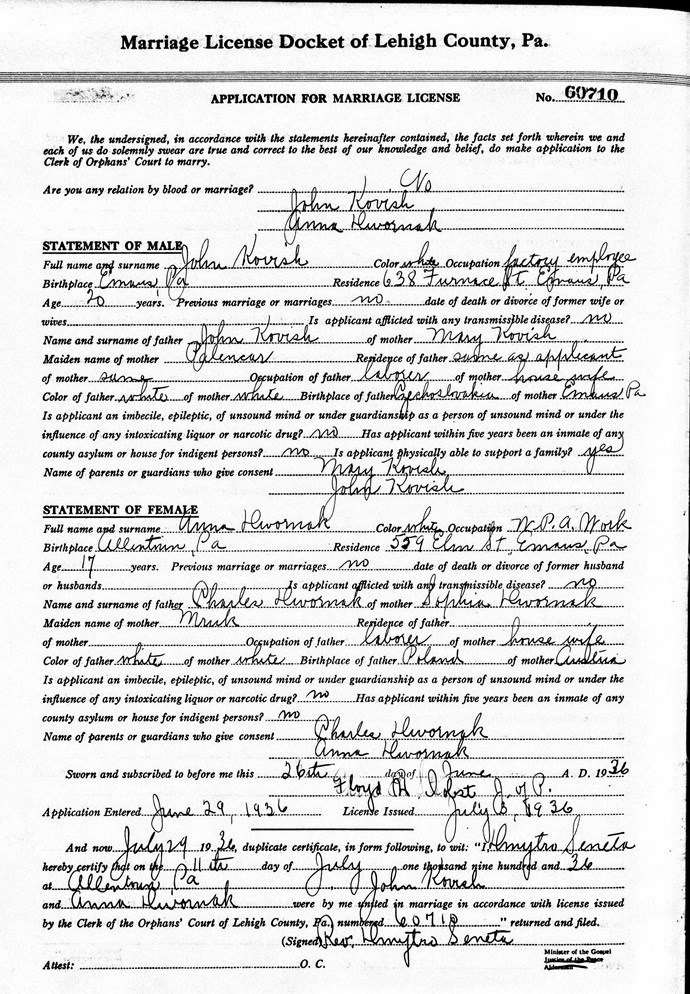
Some stories survive in photographs and family voices. Others are scattered across census pages, marriage licenses, church registers, and newspapers. Some are unfinished. The gaps and uncertainties matter as much as the discoveries. This is a place to keep looking, and to remember with care.